-
![]()
Daisy
Daisy is the Senior editor of the writing team for EaseUS. She has been working in EaseUS for over ten years, starting from a technical writer to a team leader of the content group. As a professional author for over 10 years, she writes a lot to help people overcome their tech troubles.…Read full bio -
Jane is an experienced editor for EaseUS focused on tech blog writing. Familiar with all kinds of video editing and screen recording software on the market, she specializes in composing posts about recording and editing videos. All the topics she chooses …Read full bio
-
![]()
Alin
Alin is an experienced technical blog writing editor. She knows the information about screen recording software on the market, and is also familiar with data cloning and data backup software. She is expert in writing posts about these products, aiming at providing users with effective solutions.…Read full bio -
Jean is recognized as one of the most professional writers in EaseUS. She has kept improving her writing skills over the past 10 years and helped millions of her readers solve their tech problems on PC, Mac, and iOS devices.…Read full bio
-
![]()
Jerry
Jerry is a fan of science and technology, aiming to make readers' tech life easy and enjoyable. He loves exploring new technologies and writing technical how-to tips. All the topics he chooses aim to offer users more instructive information.…Read full bio -
![]()
Rel
Rel has always maintained a strong curiosity about the computer field and is committed to the research of the most efficient and practical computer problem solutions.…Read full bio -
![]()
Gemma
Gemma is member of EaseUS team and has been committed to creating valuable content in fields about file recovery, partition management, and data backup etc. for many years. She loves to help users solve various types of computer related issues.…Read full bio
Page Table of Contents

Jane Zhou
Updated on Nov 06, 2026
0 Views |
0 min read
Looking for a screen and audio recorder to capture your desktop, app sounds, or voice? Windows and Mac both offer built-in recording tools, but their capabilities vary. Third-party tools are still worth considering if you need more control over audio sources, webcam overlays, multiple tracks, or built-in editing.
🔍A useful update for Mac users
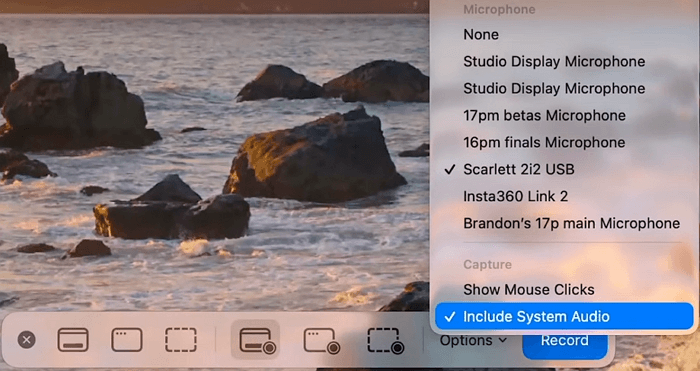
macOS 27, released on September 14, 2026, added an Include System Audio option to the built-in Screenshot tool. You can now capture Mac system sound alongside microphone input on macOS 27 Golden Gate and later without relying on an additional audio-routing utility.
We've selected 12 screen and audio recorders, from simple built-in to advanced third-party software, to help you find the right fit.
01
Best 6 Screen Recorders With Audio for Windows
Windows has attracted numerous users around the world. The demand for recording computer screens and audio on PCs also surges. This part will cover the 6 best screen sound recorders with different features.
#1. EaseUS RecExperts for Windows
Best for: All-round screen and audio recording on Windows
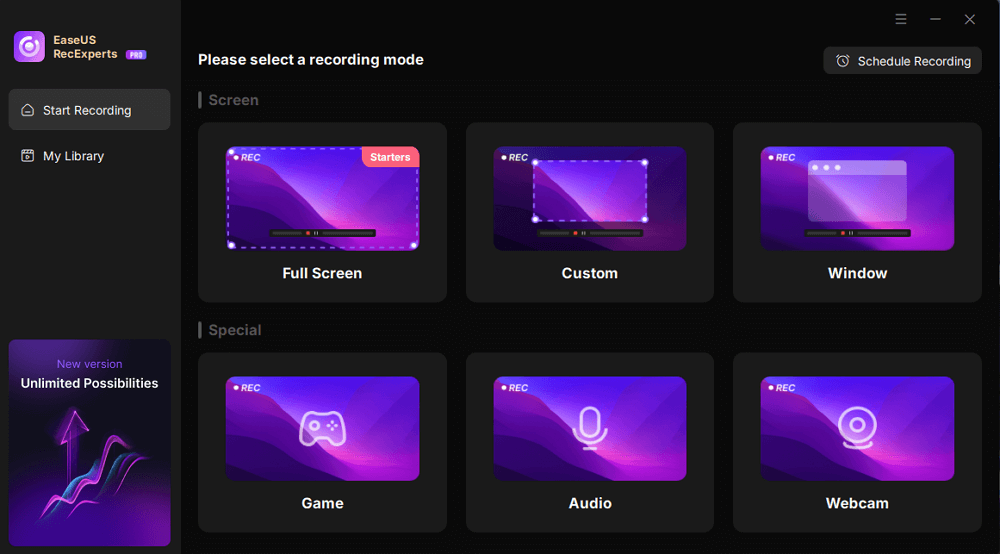
EaseUS RecExperts is a versatile screen and audio recorder for Windows, suitable for creating tutorials, recording online meetings, capturing gameplay, and more. It lets you record the full screen, a selected area, a specific application window, or a game. You can also capture your webcam alongside the screen to create picture-in-picture videos.
For audio, RecExperts can record system sound and microphone input simultaneously or separately, which is useful for capturing computer playback while adding voice commentary. You can adjust their volume separately and use microphone enhancement and noise reduction features to improve voice clarity.
Other useful features include scheduled recording, automatic stop and file splitting, real-time annotations, and basic editing tools such as trimming. It is a good option if Windows' built-in recorders don't offer enough control over your recording setup.
#2. Xbox Game Bar
Best for: Recording games and app windows with system audio and microphone
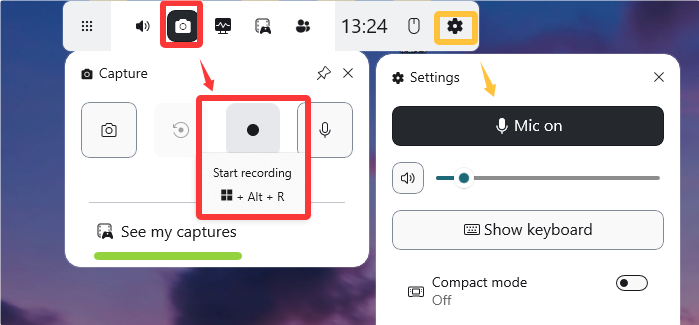
Xbox Game Bar is a built-in screen recorder in Windows 10 and 11, mainly designed for capturing gameplay and app activity. Press Win + G to open its recording overlay, or use Win + Alt + R to start and stop recording. It can capture the active game or supported app window without installing additional software.
For audio, Xbox Game Bar can record game or system sounds and microphone input. You can enable both to capture gameplay audio and your voice commentary in the same recording. It's a convenient option for recording gameplay, app demonstrations, or troubleshooting steps.
Limitation: Xbox Game Bar cannot record the Windows desktop, File Explorer, or every application. It also lacks advanced editing, webcam overlays, and flexible recording controls, making it less suitable for full desktop tutorials or more complex recording tasks.
#3. Snipping Tool
Best for: Recording selected screen areas with system audio and microphone
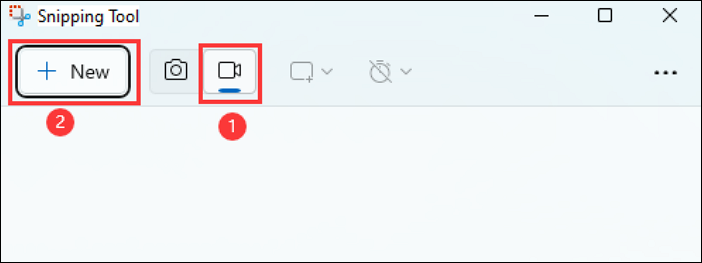
Snipping Tool is a free screen recorder built into Windows 11. Unlike Xbox Game Bar, which focuses on games and app windows, it lets you select a specific rectangular area of your screen to record. This makes it useful for capturing software demonstrations, online lessons, or step-by-step tutorials without showing unrelated desktop content.
It also supports system audio and microphone recording at the same time. You can enable either or both audio sources before starting, making it easy to capture computer sounds alongside your voice commentary. After you finish recording, you can preview and save the video or open it in Clipchamp for further editing.
Limitation: Snipping Tool offers basic recording controls and limited post-production features. It does not provide advanced audio mixing, webcam overlays, or flexible recording configurations. It suits quick screen captures better than more complex recording projects.
#4. ShareX
Best for: Free screenshot and screen recording with customizable capture options
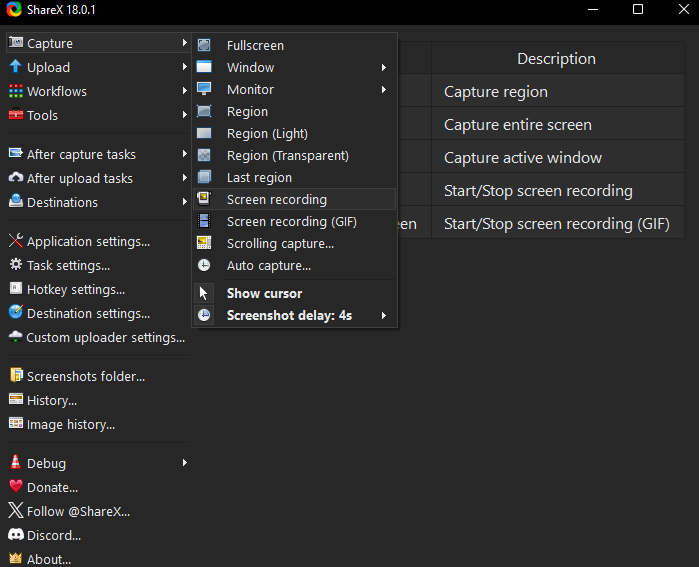
ShareX is a free, open-source screen capture tool for Windows that combines screenshots, screen recording, and image editing features. It lets you capture a selected region or record your screen, making it useful for creating software tutorials, documenting issues, and sharing on-screen activity.
In ShareX 22.0 and later, its native screen recorder can capture system audio and microphone input, and add a webcam overlay. Before recording, you can configure options such as audio sources, camera, cursor visibility, mouse highlighting, and start delay. It also supports recording at up to 120 FPS, depending on your hardware and settings.
Limitation: ShareX offers many tools and customization options, so its interface may take some time to learn. It is more focused on capturing, annotating, and sharing content than on full-featured video editing.
#5. Clipchamp
Best for: Recording your screen and editing videos in one place
Clipchamp is Microsoft's video editor for Windows 11, also available on Windows 10 and through web browsers. Its screen recorder lets you capture an entire screen, a specific window, or a browser tab. You can also record your screen and webcam together, making it useful for creating tutorials, presentations, and software demonstrations.
For audio, Clipchamp can capture your microphone while recording the screen. In the personal version, it can also record audio from a shared browser tab, such as a video or online presentation, when you enable the tab's audio-sharing option. Work and school accounts offer an option to include system audio when recording.
After recording, you can edit the footage in the same app by trimming clips, splitting sections, adding text, music, transitions, and captions. This makes Clipchamp a convenient choice if you want to record and polish a video without switching between separate tools.
Limitation: In the personal version, screen-recording audio is limited to browser-tab audio rather than general desktop system audio. If you need to capture sound from multiple desktop applications or have more control over audio sources, consider a dedicated recorder.

#6. OBS Studio
Best for: Free and advanced screen and audio recording
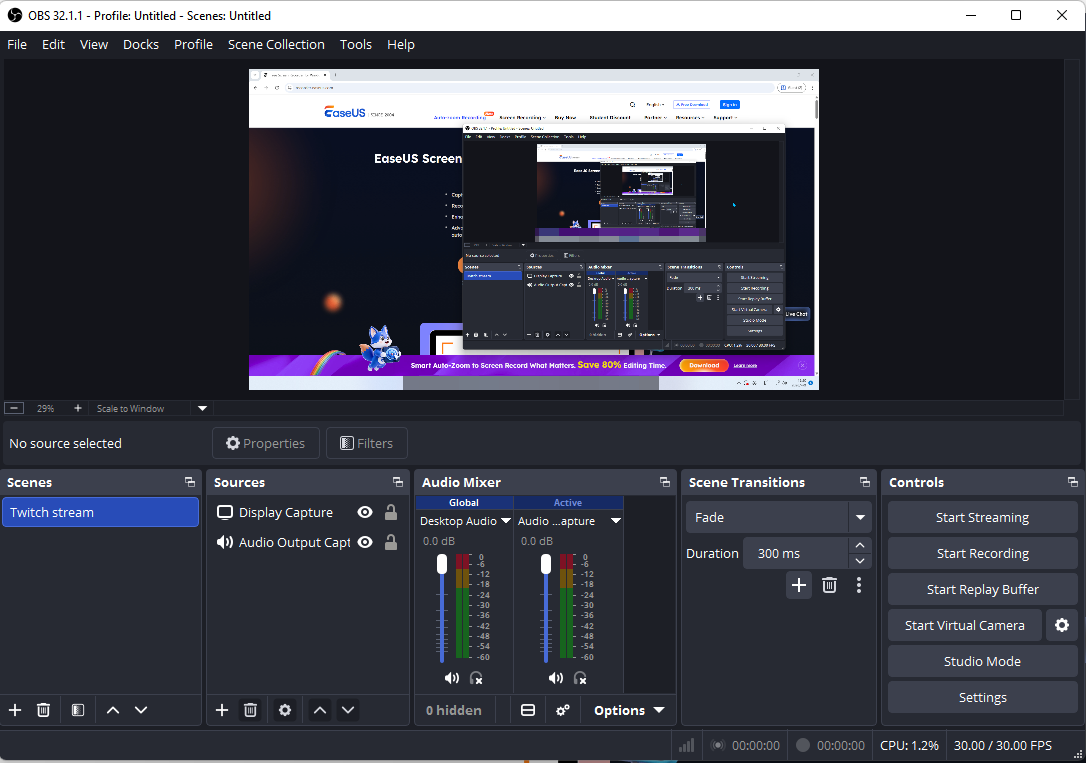
OBS Studio is a free, open-source screen recorder for Windows and Mac, widely used for gameplay recording, live streaming, and video production. It supports display, window, and game capture, as well as webcam and other video sources. You can combine multiple sources into custom scenes to create more flexible recording layouts.
For audio, OBS can capture desktop sound and microphone input at the same time. It also supports application-specific audio capture on compatible systems, allowing you to select individual apps and manage their sound separately. Its built-in Audio Mixer lets you adjust volume levels, apply audio filters, and assign sources to separate recording tracks.
Limitation: OBS Studio offers extensive customization, but its interface and source-based setup can be overwhelming for beginners. You may need to configure video sources, audio devices, and output settings manually before recording.
6 Software to Record Screen and Audio on Mac
Mac users may want to record their moments on macOS computers as well. Therefore, we list the best 6 Mac video and audio capture software with their pros and cons.
#1. EaseUS RecExperts for Mac
Best for: All-round screen and audio recording on Mac
EaseUS RecExperts for Mac is a versatile recorder for capturing screen activity, online meetings, tutorials, and presentations. You can record the full screen or a selected area, capture webcam footage, or record an iPhone or iPad screen through your Mac.
For audio, it supports system sound and microphone input, either separately or simultaneously. You can adjust audio levels and choose the sources you want to include, making it useful for recording computer playback with voice commentary. Other features include scheduled recording, audio extraction, GIF creation, and basic video trimming.
#2. Screenshot App
Best for: Recording your Mac screen with built-in system audio support on macOS 27 and later.
Screenshot is Apple's built-in screen capture tool, so there's no need to install another app. Press Shift + Command + 5 to open its toolbar, then choose to record the entire screen, a selected window, or a specific area. You can also select a microphone to add voice narration.
According to Apple's official documentation, on macOS 27 Golden Gate or later, Screenshot adds an Include System Audio option, allowing you to capture your Mac's playback along with microphone input in the same recording. You can also set a recording timer, show mouse clicks, and choose where to save the video.
Limitation: Screenshot is designed for straightforward screen capture rather than advanced production. It offers limited editing and no detailed audio mixing or multi-track controls. The system audio option is also unavailable on macOS 26 and earlier.
#3. QuickTime Player
Best for: Basic screen recording and simple video trimming on Mac.
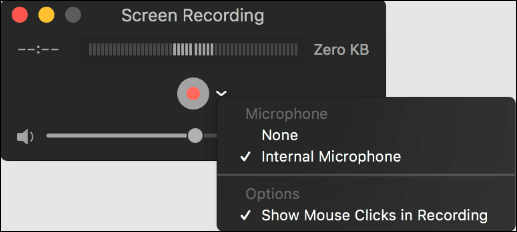
QuickTime Player is a built-in media player that also offers screen recording. Go to File > New Screen Recording or press Control + Command + N to start. You can record the entire screen or a selected area, choose a microphone for voice narration, and save the video as a MOV file. After recording, QuickTime lets you play, trim, and share the footage.
Its audio capabilities depend on how you start the recording. On current macOS versions, this shortcut may open the Screenshot toolbar, where you can enable Include System Audio on macOS 27 or later. If QuickTime opens its own older recording window, it supports microphone input but not direct system audio capture.
Limitation: QuickTime offers only basic recording controls and editing tools. It lacks advanced audio mixing, separate track controls, and features such as webcam overlays.
#4. OBS Studio
Best for: Free, advanced screen and audio recording with flexible source control.
OBS Studio is a free, open-source recorder for Mac that lets you combine display, window, and application capture with a webcam, images, and other sources. You can arrange these sources into scenes, making it useful for tutorials, gameplay, presentations, and more complex recording setups.
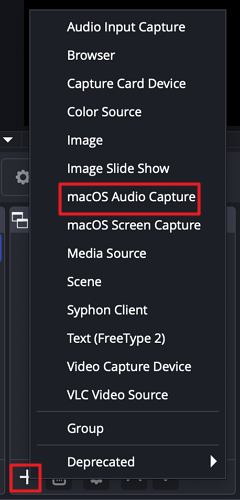
For audio, OBS can capture your Mac's system sound and microphone at the same time. On macOS 13 Ventura or later, OBS 28 and newer support system audio capture through the macOS Screen Capture source. OBS 30 and later also provide a dedicated macOS Audio Capture source, allowing you to choose between desktop audio and audio from a specific application. The Audio Mixer lets you adjust levels and apply filters, while advanced output settings support separate audio tracks.
Limitation: OBS has a steeper learning curve than basic screen recorders. You need to configure sources, audio inputs, scenes, and output settings yourself. Native system audio capture also requires macOS 13 or later; older macOS versions need an additional audio-routing tool.
#5. BlackHole
Best for: Routing Mac system audio into screen recorders and other apps.
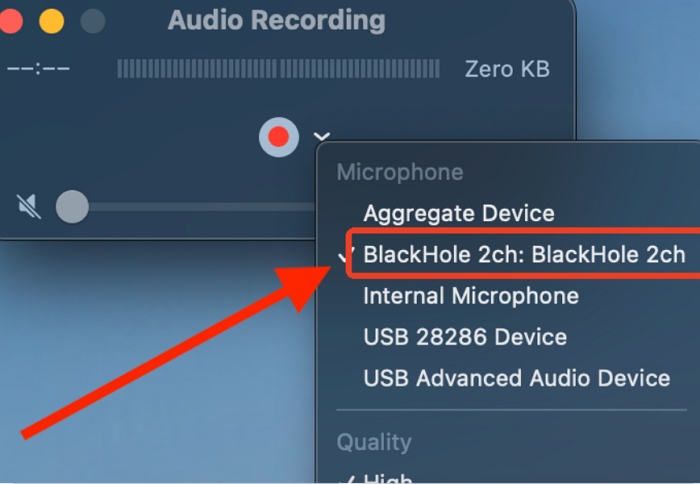
BlackHole is a free, open-source virtual audio driver for macOS. Unlike a conventional screen recorder, it doesn't capture video or create recordings on its own. Instead, it routes audio between applications, allowing tools such as OBS Studio and QuickTime Player to receive sound from your Mac. You can also use Audio MIDI Setup to create a Multi-Output Device, sending audio to both BlackHole and your speakers or headphones so you can monitor it while recording.
Limitation: BlackHole requires some manual setup, including configuring audio devices and selecting the correct input in your recording app. It's mainly useful when your recording software doesn't support native system audio capture. If you're using OBS on macOS 13 or later, its built-in audio capture options may make BlackHole unnecessary for basic recording.
#6. Screen Studio
Best for: Creating polished screen recordings for product demos and tutorials.
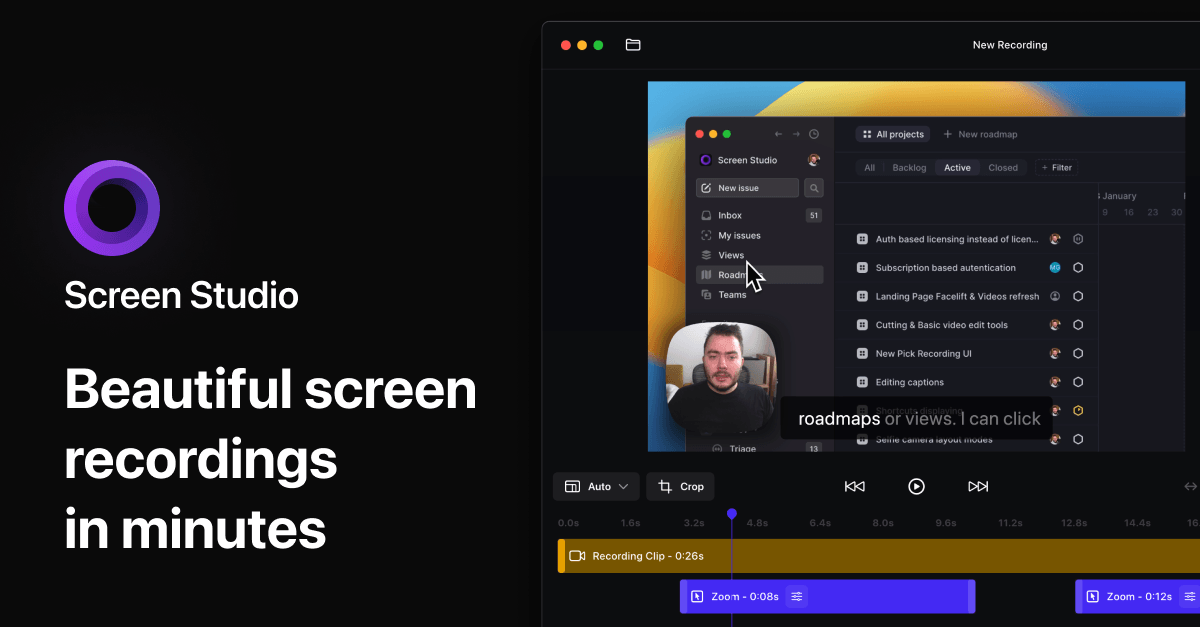
Screen Studio is a Mac screen recorder designed to make recordings look professional with minimal manual editing. It can capture your entire screen, a specific window, or a selected area, along with your webcam and microphone. It also supports system audio recording from all apps or selected applications, making it suitable for software demonstrations, tutorials, and walkthroughs.
Its standout feature is automatic zooming: it detects mouse clicks and zooms in on the relevant areas to help viewers follow on-screen actions. You can also smooth cursor movements, adjust backgrounds and layouts, trim clips, and export videos in different aspect ratios.
Limitation: Screen Studio is a paid, Mac-only application, with macOS Ventura 13.1 or later recommended. Its focus is on creating polished videos rather than providing extensive manual audio mixing or multi-track recording controls.
To Sum Up
The best screen and audio recorder depends on what you need to capture and how much control you want.
If you only need a quick recording, built-in tools like Xbox Game Bar and Snipping Tool on Windows or Screenshot on macOS 27 and later may be enough.
For more control over system audio, microphone input, and recording settings, EaseUS RecExperts is a convenient all-round option. OBS Studio is a better fit for advanced recording, multiple audio sources, and custom scenes, while Clipchamp and Screen Studio are useful when editing and presentation matter.
If you're using an older Mac or need an additional audio-routing setup, BlackHole can help capture system sound through compatible recording apps.
Before choosing a tool, check whether it supports the audio sources you need. Some recorders capture only microphone input, while others can record system audio and your voice simultaneously.
FAQs About Screen Audio Recorder
1. Can I record my screen and audio at the same time?
Yes. Many screen recorders can capture video and audio simultaneously, but their supported audio sources vary. Some tools record only microphone input, while others can capture system audio, microphone input, or both in one recording. For example, EaseUS RecExperts and OBS Studio support simultaneous system audio and microphone recording. Windows 11 Snipping Tool also supports both, while macOS Screenshot adds system audio recording on macOS 27 and later.
2. How do I record internal audio and microphone audio together?
Choose a screen recorder that supports both system audio and microphone input. Before recording, enable system audio and select your microphone in the audio settings. You may also need to adjust their input levels to avoid one source overpowering the other. On macOS 27 and later, you can enable Include System Audio and select a microphone in Screenshot's Options menu. On Windows, tools such as EaseUS RecExperts, OBS Studio, and Snipping Tool can capture both sources.
3. What is the best free screen and audio recorder?
It depends on your operating system and recording needs. On Windows, Snipping Tool is convenient for basic screen recordings, while ShareX and OBS Studio offer more customization. On Mac, Screenshot is a simple built-in option on macOS 27 and later, and OBS Studio is suitable for users who need advanced recording controls. If you want a straightforward interface with more recording features, consider a dedicated recorder with a free version.
4. Can I record system audio on a Mac without installing extra software?
Yes, if your Mac runs macOS 27 Golden Gate or later. Press Shift + Command + 5, open Options, and select Include System Audio before recording. You can also choose a microphone if you want to include voice narration. On earlier macOS versions, the built-in Screenshot tool does not offer this system audio option. You can use OBS Studio on macOS 13 or later, or configure an audio-routing tool such as BlackHole.
5. What is the difference between system audio and microphone audio?
System audio is the sound played by your computer, such as music, game sounds, video playback, and application notifications. Microphone audio is sound captured from a physical or built-in microphone, such as your voice or sounds in the surrounding room. If you're recording a tutorial, online meeting, or gameplay with commentary, you may need both sources in the same video.